Why I love Humans in Brand Strategy
We’re in a time where our AI helpers can write things, design things, plan projects. It is enough to send a shiver up a creative’s spine more than once a week, as we quietly wonder what our worth is against these fast-acting robot minds. The answer, though, is pretty obvious: we are human, and they are not. For years, successful brands have been celebrated for cultivating real emotional bonds with their audience. So it follows that building this kind of human mythology around something that isn’t, in fact, a person at all … takes humans. Working together. Listening to each other. Bottling up little human truths into something that becomes a brand.
So why invest in a brand strategy in 2026, when the temptation to type “we are a challenger subscription candle company who are fun, professional and brave” into Claude is always one tab away? It might come back with something pretty good, pretty professional. But it can’t do the one thing that matters most: be human. Because that’s really at the centre of every brand strategy — the people inside and outside the organisation — and finding a way to capture that into a brand that’s unmistakably, consistently itself.
This got me thinking about our own brand strategy process, and how these human moments have so often been the difference between a good brand strategy and an organisation-defining one.
So here’s why I love humans in brand strategy.
You are part of it
I like to think of the brand strategy process as walking in and taking stock of all the amazing ingredients already in place. In the workshop stage, we set out to uncover the goals, the beliefs, and the people behind them — inside the business and out. It’s exciting. The energy builds, the team bonds in their shared investment. Ideas start flowing, and people catch each other’s eye across the table with a look that says we’re on the same page, and we want the same thing.
One brand strategy workshop morning, I turned up to meet Kylie — our founder at Three Blocks Left. She was holding all our usual strategy workshop paraphernalia (so piles and piles of sticky notes), plus one new, unsigned-off item: a tambourine. I laughed. Was this really the right call for a corporate boardroom? Did it strike the balance between you’re in capable hands and also slightly left-of-centre creatives? Yes. We decided it did. We used it as an icebreaker, and it was funny; the team laughed, and the ice cracked right open. What followed was honestly one of the warmest, most energetic workshop days we’ve run, with people from every corner of the business — a charity whose work can be devastatingly emotional, and deeply important. From the outset our team and theirs just gelled. By the end, it felt like the last day of a movie shoot — so proud of what we’d made, and a little sad to say goodbye to people who now felt like friends.
Words of the people
In our time doing brand strategy and campaigns for not-for-profits, some of the most powerful messaging has come from the people and the community that make up the brand. You talk to people, you listen in their own language, and you find things that simply can’t be made up. People say things that become taglines without even realising it at the time.
Last year, we worked with Fair Foundations on their rebrand. We ran interviews, workshops, surveys and read every answer, over and over. In the end we knew them so well it felt like we were part of the organisation.
There was a lightbulb moment crafting their brand purpose. The words “find your place” came straight from a community member’s mouth. It summed up the theme of belonging so perfectly — memorable, ownable, real. There’s something almost beautiful about it: an organisation built on inclusive, fair communities ended up with a purpose statement — “help people find their place and forge a fair future” — built from the very words of their own community. It still gives me goosebumps today.
Do the work, feel the pride
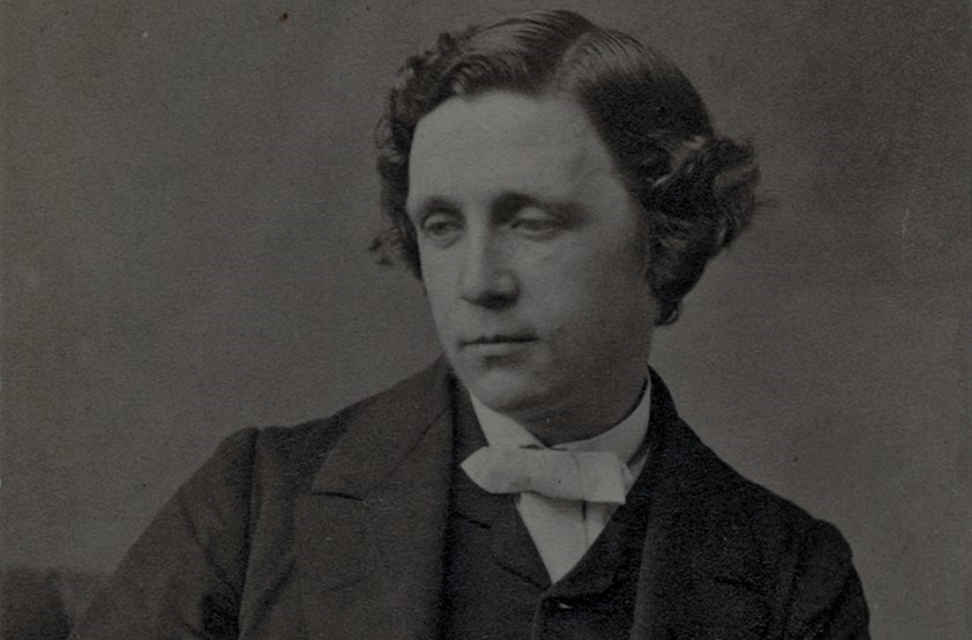
When I was 11 years old I copied a poem for a school assignment (with some slight edits). The author of the original prose was… Lewis Carrol. It wasn’t Alice and Wonderland but it also definitely wasn’t the work of an 11 year old, and I’m pretty sure I got a very bad mark along with a healthy dose of shame. Without saying so directly the teacher could tell this wasn’t ‘on brand’ coming from me. I also learnt a lesson: there’s no pride in passing off someone else’s idea as your own.
When clients give us feedback at the end of a rebrand, we often hear the word transformation. A real brand transformation isn’t a new colour palette, a logo, or a strategy document full of vision, mission and values statements. The transformation happens when you’ve gone on the journey and taken the people inside the business with you. It creates an alignment of thinking and behaviour that flows through the organisation and out to the audience.
Speeding things up is tempting. But you can’t shortcut your way to a brand you are really proud of. Do the work properly, and you feel it — in the team, in the brand, and eventually in the real humans out there who just can’t help loving the brands that earn it.